
Mumbai · All India · Since 1980
Industrial screen printing solutions
Precision screen printing lines for solar, PCB, automotive and label manufacturers. We supply, install and maintain them across India, so your line runs to spec, shift after shift.
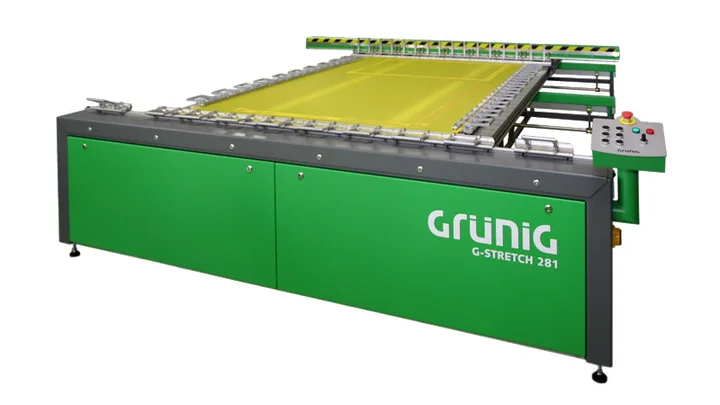 Grünig G-STRETCH 281Pneumatic tension controlSwiss madeView machine →Computer-to-screen02
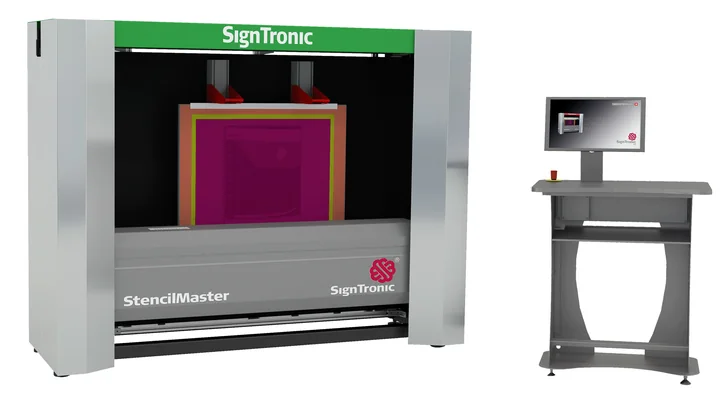 SignTronic STM-ONEDirect UV imagingNo filmView machine →Flatbed printer03
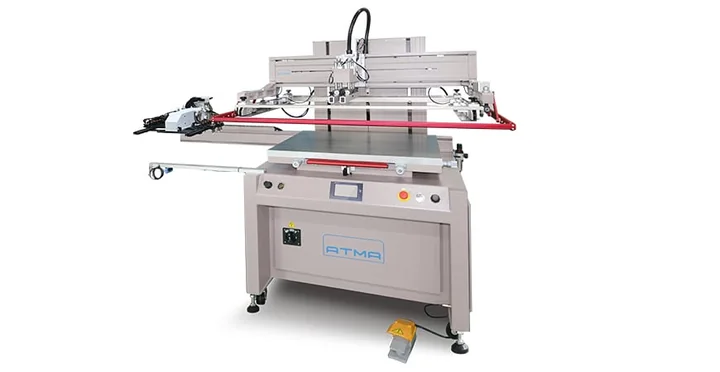 ATMA AT-80P/SV600 × 800 mm print area496 prints an hourView machine →Cylinder press04
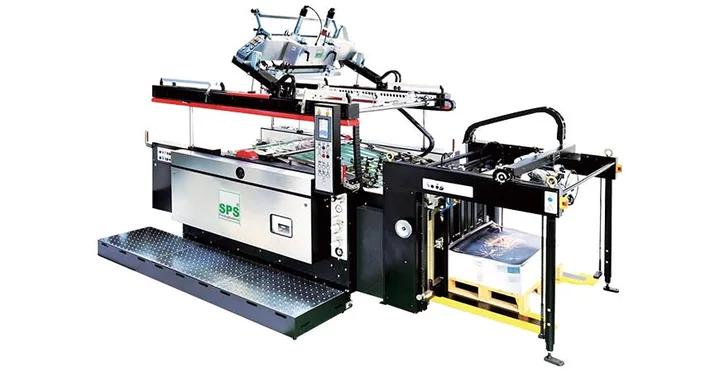 SPS VTS SL-71750 × 1060 mm sheet4,000 sheets an hourView machine →IR dryer05
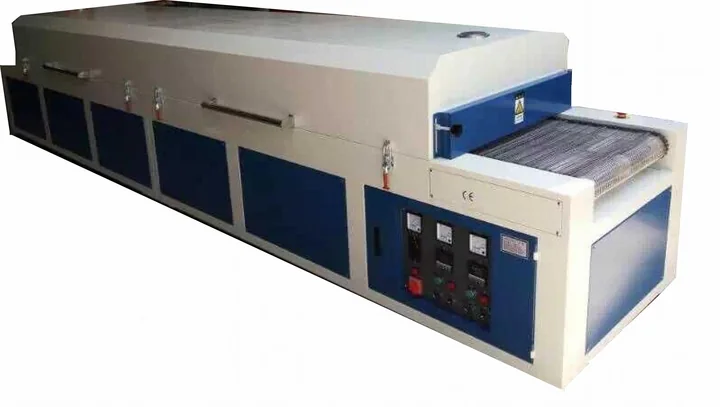 Luen Cheong LC-SD 5000Hot-air IR tunnelSized to the pressView machine →



The range, by stage
Each page explains the process step before it lists the models. Specifications, downloads and a comparison tool on every category.
All machines →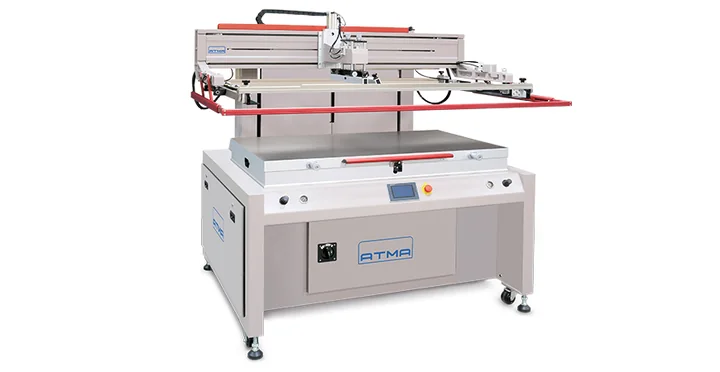
Printers
Flatbed, stop-cylinder, roll-to-roll, glass, PCB and part printers.
101 models →02 · Screen makingPre-press
Stretching, coating, computer-to-screen, washing and drying.
67 models →03 · CuringDryers
IR hot-air tunnels, UV curing and combined IR + UV systems.
68 models →04 · Material handling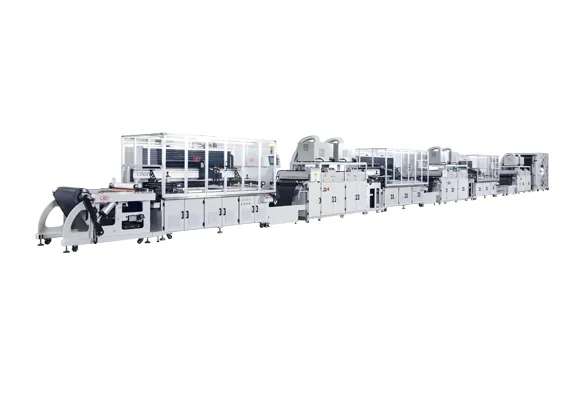
Handling
Feeders, stackers, cutters and converting units that complete a line.
49 models →05 · Consumables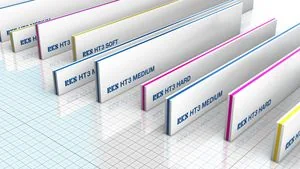
Squeegees
Blades, holders, sharpeners and ink mixers, with a guide to choosing.
33 models →Start from what you print
Pick the industry. Each application page shows the material, what the job needs from a machine, and a typical Sunstar line.
All applications →Automotive
Dials and clusters, IMD / in-mould decoration, Vehicle decals and graphics, Gaskets…
Machines for this industry →Electronics
Membrane switches and overlays, Flexible circuits (FPC), Rigid PCBs, Touch panels and cover glass…
Machines for this industry →Medical and diagnostics
Glucose test strips, Medical device panels
Machines for this industry →Glass and solar
Touch panels and cover glass, Appliance glass, Architectural and automotive glass, Solar cells and PV glass
Machines for this industry →Labels, nameplates and packaging
Vehicle decals and graphics, Labels and stickers, Nameplates and metal labels, Spot UV and special effects…
Machines for this industry →Textile
Heat-transfer labels
Machines for this industry →Plastic and metal parts
IMD / in-mould decoration, Medical device panels, Nameplates and metal labels, Moulded parts and housings
Machines for this industry →Machine finder
Answer up to four questions. The finder shortlists from every machine Sunstar supplies.
Open the full finder →One line, start to finish
Five stages of a screen printing line, each shown on a machine Sunstar supplies. Scroll to move along the line.
The process in detail →Stretch the screen
Mesh is stretched over the frame to an even, measured tension, then glued. Every print after this depends on it.
Image the screen
The coated screen is exposed straight from the artwork file by a UV head. No film positive is needed.
Print flat sheets
A squeegee pushes ink through the screen onto a sheet held flat by vacuum. Rigid or flexible, up to 25 mm thick.
Print at speed
A stop-cylinder press grips each sheet on a cylinder and prints thousands of sheets an hour. Labels and flexible circuits run roll to roll.
Dry and cure
Infrared, hot air or UV, in line with the press, so the sheet comes out ready for the next colour.
Two generations in screen printing
A family business since 1980
Ajit Lalvani started Sunglo India in 1980 to make screen printing inks in India. A joint venture with Sericol International followed in 1996. In 2000, Sunstar Graphics was formed to bring the world's screen printing machinery to Indian factories, installed and serviced by the same people.
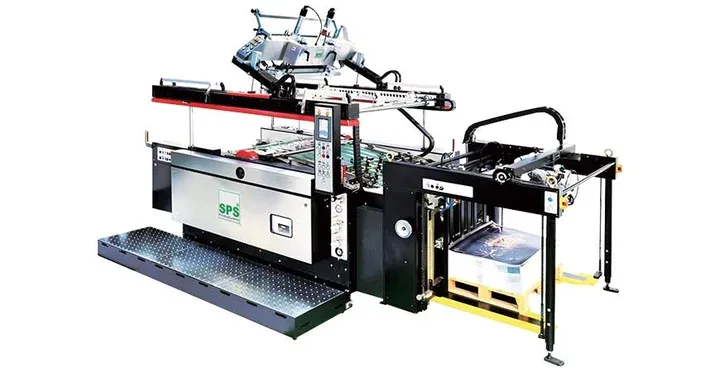
Stop-cylinder screen printing presses
SPS VITESSA SL71
The SPS VITESSA SL STOP cylinder screen printing machine is engineered to meet the demands of the high-end screen printing industry.
| max. sheet size [mm] | 750 × 1,060 |
| min. sheet size [mm] | 280 × 420 |
| substrate thickness [mm] | 0.07 - 0.9 |
| print frame, o/d [mm] | 1,140 / 1,160 × 1,280 |
| max. cycle speed [iph] | 4,000 |
| length (incl. feeder) [mm] | 4,260 |
Squeegees, explained
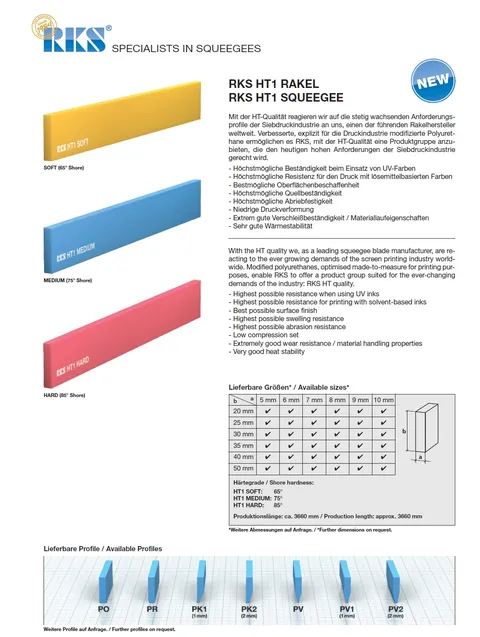
What a squeegee is
A squeegee is the blade that pushes ink through the screen onto the material. It sets how much ink goes down and how sharp the printed edge is. Sunstar Graphics sells two squeegee lines to printers across India from Mumbai. One is RKS of Germany, with RKS blades, holders and grinding machines. The other is Kuroki of Taiwan, with polyurethane blades priced for Indian printers.
Read → Guide · 2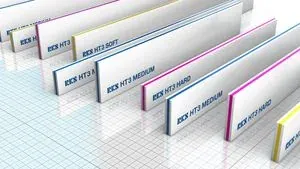
How to choose one
Hardness, edge profile, blade material and angle, matched to the ink, the material and the detail you print.
Read → Tool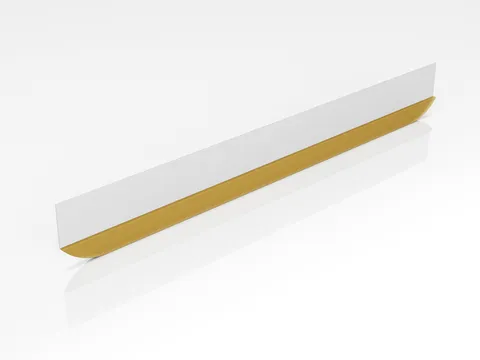
Squeegee finder
Five questions, or start from your industry. A hardness, edge, build, angle and blade length for your job, with the reason for each.
Try it →Installed across India
Manufacturers who print with machines supplied and serviced by Sunstar.
Case studies →







Installed, trained and serviced from Mumbai
Installation, operator training, spares and annual maintenance for every machine Sunstar supplies.
Service and spares →Sunstar Academy
Machines running, where screen printing is used, and how to fix print problems. From Sunstar's own channel. Everything plays here on the page.
All videos →


Guides for buyers
Written for the person choosing a machine: flatbed or cylinder, semi or fully automatic, what a line costs, how a job is printed.
All guides →Flatbed vs cylinder screen printing machine
Choose a flatbed if you print rigid or thick material, or mixed jobs in short and medium runs at around 500 sheets an hour. Choose a stop-cylinder press if you print thin flexible sheets in long runs and need 1,800 to 4,000 sheets an hour. Many plants run both.
Read →GuideSemi-automatic vs fully automatic screen printing machine
A semi-automatic screen printing machine prints by itself, but an operator loads and removes each sheet. A fully automatic machine also feeds, registers and delivers the sheet to the dryer. Semi-automatic suits short runs and many job changes. Fully automatic suits steady volume, where output and consistency repay the higher cost.
Read →GuideHow to choose an industrial screen printing machine
Five facts about your job decide the machine: the material and its thickness, the print size, the output you need per hour, the register tolerance and the ink. With these in hand, the choice between a flatbed, a cylinder press, a roll-to-roll press or a purpose-built printer is usually clear.
Read →GuideImported vs Indian screen printing machine
A lower-cost Indian-made screen printing machine is a sensible choice for simple graphics, wide tolerances, short runs and a tight budget. A precision imported press earns its cost on multi-layer and functional work, tight register and high volume, where rejects are expensive. The tolerance of your part and the cost of a rejected sheet decide it.
Read →GuideScreen printing vs digital printing for industrial parts
Screen printing is the better process for volume production, for thick or opaque ink films and for functional inks such as silver, carbon and glass enamel. Digital printing is better for short runs, many design versions and variable data. It is common to use digital for samples and screen printing for production.
Read →GuideHow membrane switches are made
A membrane switch is made by screen printing a graphic overlay and one or two circuit layers on plastic film, then cutting them and laminating them with a spacer and adhesive. The circuit is printed in silver and carbon ink, with a dielectric layer for insulation. Each printed layer is dried or cured before the next, and each has to register to the others.
Read →Glossary of screen printing terms → Which machine for which job → Price guide →
Common questions
Who supplies ATMA screen printing machines in India?
Sunstar Graphics Pvt. Ltd., Mumbai, is the exclusive Indian distributor for ATMA screen printing machines, with installation, training and service across India.
Which screen printing machine do I need for my product?
Tell Sunstar what you print, on which material and how many an hour. The application pages on this site show a typical line for each job.
What is the difference between a flatbed and a cylinder screen printing machine?
A flatbed holds the sheet on a vacuum bed while the squeegee travels, and prints rigid or flexible material up to 25 mm thick. A stop-cylinder press grips a flexible sheet on a turning cylinder and reaches 1,800 to 4,000 sheets an hour.
Does Sunstar Graphics install and service the machines?
Yes. Sunstar engineers install the line, train operators on site and provide service and spares from Mumbai.
Inquiry
Tell Sunstar what you print.
An engineer replies within one working day with machine options and Indian pricing. Delivered and installed anywhere in India.