UV dose and intensity
Dose is the total UV energy that reaches the print, in mJ/cm². It rises when lamp power goes up or the belt slows down. Halving the belt speed roughly doubles the dose. Intensity, also called irradiance, is the peak power at the print surface in mW/cm². It depends on lamp power, reflector condition and lamp height. An ink needs enough of both.
Many graphic UV screen inks are specified at roughly 150 to 400 mJ/cm². Opaque whites, dense blacks and thick textured varnishes need more. These are typical figures. Use the dose in the ink maker's data sheet, and measure with the same type of radiometer, because instruments read different UV bands.
Checks to make, in order
- Lamp age. Mercury UV lamps lose output with use, and many are replaced at around 1,000 hours. Check the lamp maker's figure and log the hours.
- Reflectors and lamp surface. Dust and ink mist cut the UV that reaches the belt. Clean them as the dryer manual describes.
- Belt speed. Confirm the real speed with a tape and a stopwatch.
- Ink film. A coarse mesh or thick stencil can lay down more ink than the lamp cures through. Try a finer mesh.
- Colour. Black, white and metallic inks block UV. Slow the belt or add a second pass.
- Ink condition. Old stock, too much thinner and unmixed additives all slow the cure.
- Lamp type. LED UV units need inks made for their wavelength. An ink made for mercury lamps may stay wet under LED.
Symptoms and fixes
| Problem | Likely cause | Fix |
|---|---|---|
| Surface stays tacky | Low dose or low intensity | Check lamp hours and reflectors, slow the belt, measure the dose |
| Surface is dry but the ink scratches off | Bottom of the film is under-cured, or the substrate has low surface energy | Reduce the ink film, slow the belt, check the substrate with the ink maker |
| Ink is brittle and cracks on cutting, or the next colour does not bond | Over-cure | Raise the belt speed on the earlier colours |
| Cure differs across the belt | Lamp ends have aged or a reflector is dirty | Measure the dose at left, centre and right |
Testing the cure
Test on the production material. A thumb twist and a fingernail scratch give a quick check at the dryer exit. A cross-hatch tape test gives a result you can record. Some UV inks keep gaining adhesion for up to 24 hours, so follow the test timing in the data sheet. Take a radiometer reading at the start of each shift and keep the log.
UV curing machines Sunstar supplies
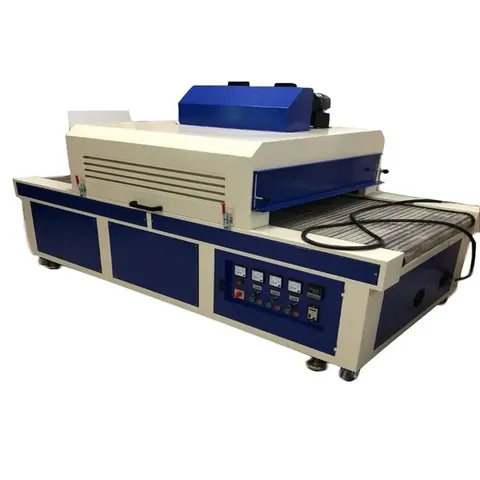
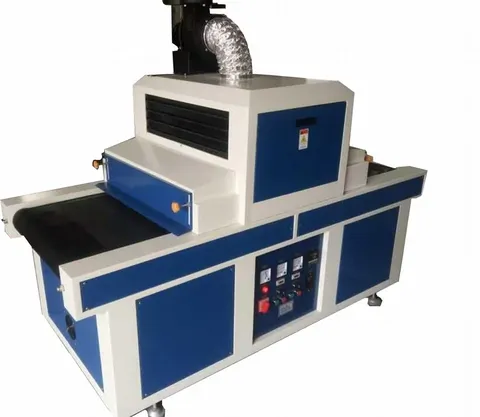
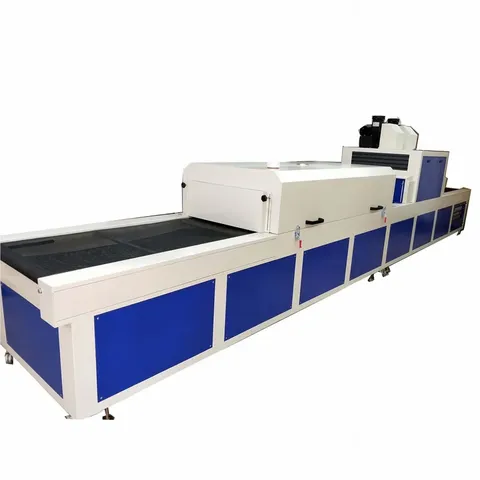
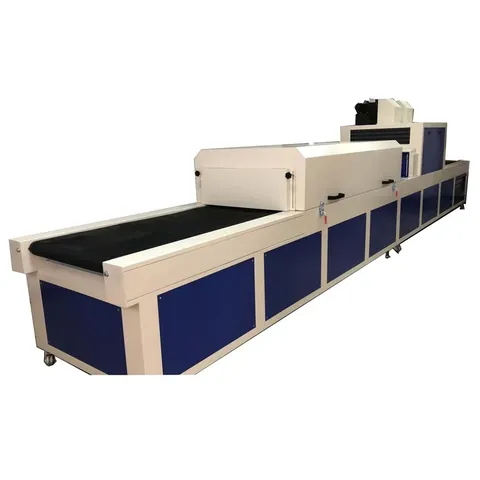
Sunstar Graphics supplies Luen Cheong UV curing machines in India. The TM-UV/F range of UV dryers runs from the TM-200 to the TM-1200, and Sunstar sizes the UV conveyor dryer to the width of the sheet and the speed of the press. For lines that run both solvent and UV inks, the SD+TM 1100UVF and the UV 8000 are combined IR + UV drying ovens.
Sunstar installs and services the dryers from Mumbai. Send an enquiry with your ink, substrate and press speed for machine options and Indian pricing.